

Music therapy could help protect cognitive function in people living with dementia

Research from Swinburne University of Technology suggests music therapy could help support memory and cognitive function in people living with dementia.
In summary
- Swinburne University of Technology research suggests music therapy may improve memory and cognitive function in people living with dementia and could even delay its onset
- Researchers found improvements in working memory, cognitive compensation and executive functioning following an eight-week music therapy program
- Lead author Dr Benjamin Slade says music therapy could activate alternative areas of the brain to help maintain cognitive functioning as dementia progresses
Music therapy may improve memory and cognitive function in people living with dementia and could even delay its onset, according to new research from Swinburne University of Technology.
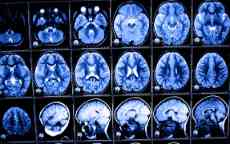
The study used advanced brain imaging technology known as magnetoencephalography (MEG) to examine what happens in the brain before and after a targeted music therapy program.
By strengthening communication between different regions of the brain, researchers found improvements in working memory, cognitive compensation and executive functioning.
Lead author Dr Benjamin Slade from Swinburne's Centre for Mental Health and Brain Sciences says while music is known to improve memory and influence emotion, scientists are only beginning to understand how it may protect the brain against cognitive decline and dementia.
"Music is unique because it activates many different parts of the brain simultaneously. It engages memory, attention, emotion, movement and social connection, all within a single activity," Dr Slade says.
"Many people have seen moments where a person living with dementia suddenly recalls lyrics, melodies or memories connected to music. We’re trying to understand whether this can be used to improve cognitive functioning in dementia.”
The study involved people living with dementia who completed cognitive testing and brain scans before and after an eight-week music therapy program designed to target executive functioning.
Music therapy combines several factors associated with brain health, including cognitive stimulation, learning, attention, memory and social engagement.
Researchers observed improved performance in an executive functioning task following the intervention, alongside changes in brain network connectivity.
"Our findings suggest music therapy could be used to activate alternative areas of the brain to maintain cognitive functioning or even delay the onset of dementia. It's early evidence, but it's a fascinating insight into the brain's capacity to adapt to the early stages of disease."
Globally, dementia affects tens of millions of people and cases are expected to rise substantially as populations age. While medications can help manage symptoms, they do not stop disease progression and can carry side effects.
Researchers say there is growing interest in non-pharmaceutical approaches that support cognition, wellbeing and quality of life.
The team hopes to investigate whether longer-term music-based interventions can help protect the brain, slow cognitive decline and support people living with dementia.
"As dementia becomes one of the defining health challenges of an ageing population, we're increasingly looking for interventions that are accessible, cost effective, enjoyable and can make a meaningful difference to people's lives. Music has extraordinary potential in that space."
The findings provide a foundation for future research exploring music therapy as a tool for maintaining cognition and promoting healthy ageing.
“Understanding how music therapy influences brain function could help us develop more effective interventions that improve day-to-day cognition and quality of life."
-
Media Enquiries
Media Enquiries
Related articles
-
Music therapy could help protect cognitive function in people living with dementia
- Science
Swinburne research explores how music therapy could support brain function, memory and cognition in people living with dementia and help delay its onset.Tuesday 10 November 2026 -
Swinburne secures funding to strengthen Australia's future energy networks

Swinburne has secured $2.2 million in funding as a leading university partner for a project to develop next-generation quantum timing technology for Australia's energy networks.
Friday 23 October 2026 -
Four new projects announced at the 2026 FACET Symposium in Sydney

- Science
- University
- Sustainability
- Engineering
The 2026 Franco-Australian Indo-Pacific Centre for Energy Transition (FACET) Symposium held in Sydney brought together experts, researchers and industry leaders for an event that discussed building resilient infrastructure, next generation power systems and integrated energy solutions.
Tuesday 27 October 2026 -
Swinburne researchers contribute to nearly $20 million in ARC-funded projects

- Design
- Technology
- Science
- University
- Sustainability
- Engineering
Swinburne researchers are contributing to four successful projects in the latest Australian Research Council (ARC) Industrial Transformation Research Program, representing nearly $20 million in combined project funding.
Tuesday 20 October 2026 -
World-first psilocin binge eating disorder trial reveals improvement in all patients

- Science
Swinburne University of Technology and Entropy Neurodynamics’ world-first IV-infused psilocin binge eating disorder trial has led to improvement in all participants.
Tuesday 15 September 2026


Register your interest
Register your interest to join us