

Broccoli could treat untreatable rare nerve disease, Swinburne research finds

In summary
- Swinburne research has discovered that broccoli could help treat an incredibly rare uncurable disease that only 200 Australians have
- Friedreich ataxia is caused by deterioration of neurons in the spinal cord and brain
- Sulforaphane, a natural compound found in broccoli, can improve the key protein deficient in Friedreich ataxia
The secret ingredient for treating a rare nervous system disease could be hiding in the back of your fridge, Swinburne research has discovered.
Friedreich ataxia is caused by deterioration of neurons in the spinal cord and brain, leading to the gradual loss of speech, movement and survival. There is no cure for the roughly 200 Australians with the condition.
The paper establishes that sulforaphane, a natural compound found in broccoli, can improve frataxin levels, the key protein deficient in Friedreich ataxia while also protecting vulnerable nerve cells from damage.
The broccoli compound has been found to target multiple diseases’ processes, including cellular stress and inflammation.
Lead author, Swinburne’s Associate Professor Faith Kwa, says the findings offer new hope, as there are currently no approved treatments specifically available for children, despite children making up most people affected by the condition.
“Friedreich ataxia is a devastating rare genetic disease that progressively steals a child's ability to walk, speak, play, and ultimately survive,” she says.
“This novel therapeutic agent can target the underlying cause of the disease, while delivering an affordable and accessible therapy worldwide, improving treatment opportunities for families affected by this life-limiting disease.
“This discovery brings us closer to a future where children with Friedreich ataxia experience a better quality of life, greater independence, and an improved chance of long-term survival.”
Associate Professor Kwa says the condition is so rare that many people do not know about it, which has an impact on funding.
“We are hoping to gain funding to conduct clinical trials and further prove the positive impact the broccoli compound could have on those suffering from Friedreich ataxia,” she says.
“Sulforaphane already has an established safety record in children and adults, and its pure and bioactive form is commercially available. This means if clinical trials prove successful, its rollout could accelerate the path to patient impact.
“Even if we can raise awareness of this debilitating condition or improve one person’s quality of life, our efforts will have been worth it.”
Featured
-
Associate Professor Faith Kwa
Associate Dean, Education and Student Experience
-
Media Enquiries
Related articles
-

- Technology
- Health
- Education
- Science
- University
- Engineering
Swinburne continues to rise in global subject rankings
Swinburne has achieved strong results across 26 subjects in the ShanghaiRanking’s Global Ranking of Academic Subjects 2026.
Thursday 17 September 2026 -

- Technology
- Health
- Science
- University
- Engineering
Swinburne joins global biomaterials research training program
Swinburne has joined the prestigious German Research Foundation-funded International Research Training Group (IRTG) on Multidimensional Biomaterials (MB)2 program
Monday 17 August 2026 -
- Health
Healthcare learners put skills to the test at WorldSkills regional competition
Swinburne has hosted a WorldSkills healthcare regional competition at its Wantirna campus, spotlighting vocational healthcare student skillsFriday 28 August 2026 -
- Health
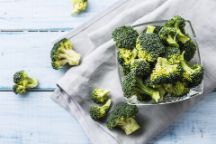
Broccoli could treat untreatable rare nerve disease, Swinburne research finds
Swinburne researchers have discovered how broccoli could help treat an incredibly rare uncurable disease that only 200 Australians have.
Monday 10 August 2026 -
- Technology
- Health
- Education
- Business
- Science
- Sustainability
- Engineering
Celebrating Swinburne’s next generation of researchers
Swinburne’s inaugural Research Festival brought together Higher Degree by Research students and early career researchers to learn, share and connect.
Monday 27 July 2026


