

Indigenous study tour connects students to global communities in Aotearoa

The 2025 Indigenous study tour cohort travelled to Aotearoa, New Zealand where students connected with the Māori community and attended the World Indigenous Peoples’ Conference on Education
In summary
The Moondani Toombadool Centre’s Indigenous study tours provide Indigenous students a culturally grounded, immersive and transformational experience through direct engagement with other Indigenous communities worldwide
The 2025 cohort travelled to Aotearoa, New Zealand, where students participated in various immersive activities with the Māori community and attended the World Indigenous Peoples’ Conference on Education (WIPCE)
Students said the experience deepened their sense of identity and helped them grow in their confidence, self-belief and cultural pride

Swinburne University of Technology’s Moondani Toombadool Centre (MTC)’s 2025 Indigenous study tour cohort travelled to Aotearoa, New Zealand, with a focus on engaging with Māori communities, histories and knowledge systems.
Through various activities and immersive experiences, students explored relationships between Aboriginal and Torres Strait Islander peoples and Māori, and developed an understanding of how Indigenous sovereignty, cultural identity, language and health revitalisation and education are enacted in different national contexts.
The study tour included visits to the Waitangi Treaty Grounds and the geothermal and cultural grounds at Te Puia. Students also stayed at the Kohutapu Lodge, where they took part in traditional Māori dance, games and shared a meal cooked the traditional Māori way, with a Hangi.
Further visits to Sanctuary Mountain gave students the opportunity to experience traditional Māori plants and herbs within the heritage-protected rainforest, deepening their understanding of traditional and cultural healing and health practices. At the Rangitahi Marae – a communal, sacred meeting ground – students also had dedicated time to connect with and learn from Elders and knowledge holders.
The 2025 study tour was intentionally aligned with the World Indigenous Peoples’ Conference on Education (WIPCE), allowing students to participate in one of the most significant global gatherings of Indigenous educators, scholars, youth and community leaders.
During the conference, students attended keynote sessions, workshops and cultural events that centred Indigenous worldviews, self-determination, health and educational sovereignty.
“WIPCE is a platform for Indigenous peoples to share knowledge, celebrate cultural resilience and shape the future of Indigenous education on our own terms. Importantly, students described the conference as a space where they felt seen, valued and connected,” says MTC Manager of Indigenous Student Services, Joel Boojers.
Learning on-country
MTC's Indigenous study tours provide Indigenous students a culturally grounded, immersive and transformational learning experience that extends beyond the classroom.
“The program’s purpose is to support students to strengthen their cultural identity, build global Indigenous connections and deepen their understanding of Indigenous knowledge systems through direct engagement with other Indigenous communities worldwide,” says Joel.
These study tours create a space for Indigenous students to learn on-country alongside Elders, educators and community leaders, while also linking these experiences to employability, leadership and work-integrated learning outcomes.
“For many Aboriginal and Torres Strait Islander students, it represents a rare opportunity to step into global Indigenous spaces, see their cultures reflected and valued internationally, and return with renewed confidence, aspiration and purpose,” says Joel.
Finding camaraderie and a sense of belonging
For some students, this study tour was their first overseas experience, and for many, attending the WIPCE and engaging with Māori communities provided a profound sense of belonging to a global Indigenous collective.
“One of the most powerful aspects of the tour was witnessing students grow in confidence, self-belief and cultural pride,” says Joel.
“Many students reflected that the experience deepened their sense of identity and strengthened their commitment to education, community and future leadership.”
“Students also spoke about returning home with greater clarity about their aspirations, stronger connections to culture and a renewed motivation to embed Indigenous perspectives into their studies, work and community engagement.”
Students are supported through the application process and throughout the tour itself, including preparation before departure and structured reflection during and after the experience.
Students interested in future MTC Indigenous study tours are encouraged to connect directly with the Moondani Toombadool Centre at indigenousstudents@swin.edu.au
-
Media Enquiries
Related articles
-
- Social Affairs
- University
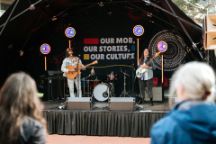
Honouring Country, culture and connection at Swinburne’s inaugural NAIDOC celebration
Swinburne's inaugural NAIDOC celebration celebrated the power of storytelling and provided a space for everyone to engage with Indigenous culture
Thursday 03 September 2026 -
- Education
- University
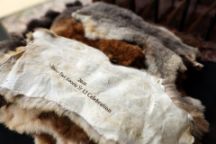
Swinburne celebrates Indigenous Year 12 students at Inner East Koorie Celebration
Swinburne recently hosted the inaugural Inner East Year 12 Koorie Celebration event at our Hawthorn campus
Monday 21 September 2026 -
- Student News
- Social Affairs
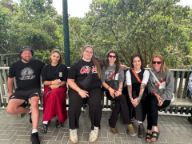
Indigenous study tour connects students to global communities in Aotearoa
The Moondani Toombadool Centre’s Indigenous study tours provide Indigenous students a culturally grounded, immersive and transformational experience through direct engagement with other Indigenous communities worldwide
Friday 10 July 2026 -

- Social Affairs
Celebrating 50 years of deadly this NAIDOC Week
This NAIDOC Week, Swinburne staff and students are coming together to celebrate 50 years of deadly as a tribute to the people who built the NAIDOC movement while recognising the next generation
Thursday 02 July 2026 -
- Student News
- University
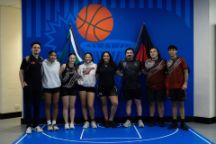
Indigenous students connect through sport at Intervarsity Day
Indigenous students from across Victoria came together for a landmark intervarsity event, building connection and community through competition.
Wednesday 17 June 2026


