

Australia’s biggest research trial using psychedelics to treat depression to commence in 2023

The psilocybin drug candidate, WP002, is formulated as a rapid release tablet by Woke Pharmaceuticals.
In summary
- Swinburne has signed a $5 million clinical trial research agreement with Woke Pharmaceuticals
- It will be Australia’s biggest research trial examining the promise of the active ingredient in psychedelic mushrooms in tackling treatment-resistant depression
- Approximately 160 patients will participate in a randomised controlled trial of psilocybin-assisted psychotherapy versus a placebo
For many people living with depression, treatment involves a combination of psychologist-led therapy and prescribed medications to manage symptoms.
However, for an increasing cohort of people with Treatment-Resistant Major Depressive Disorder, the path to better mental health isn’t so clear.
Swinburne has signed a $5 million clinical trial research agreement with Woke Pharmaceuticals to embark on Australia’s biggest research trial examining the promise of the active ingredient in psychedelic mushrooms, called ‘psilocybin’, in tackling treatment-resistant depression.
The idea of treating depression with magic mushrooms is considered controversial by some, but lead researcher Professor Susan Rossell says psychedelics have been shown to provide long-term durable benefit in a multitude of psychiatric disorders.
“Psychedelics could transform the landscape of treatments for many psychiatric disorders, including major depression,” Professor Rossell says.
“The initial positive findings from the literature need to be pursued with large real-world trials, like the one we are conducting. Exploring the effectiveness of two or three dosing sessions will provide critical data on the sustainability of benefit and effective real-world treatment regimens of psilocybin-assisted psychotherapy for those with treatment-resistant depression.
“I am excited to be leading this trial. We have the opportunity to make a substantial difference and for Australia to lead the way in psychedelics research.”
Approximately 160 patients will participate in a randomised controlled trial of either two or three doses of psilocybin-assisted psychotherapy versus a placebo. The psilocybin drug candidate, WP002, is formulated as a rapid release tablet by Woke Pharmaceuticals.
The primary outcome will be measured with the industry standard MADRS Depression Rating Scale behaviour. Secondary measures of wellness, quality of life, and health economic assessments will also be conducted.
Commencing enrolment in mid-2023, Woke Pharmaceuticals’ funding and provision of clinical material will enable Swinburne to collaborate with Monash University and University of Tasmania to help Australians suffering with depression who are not treated effectively with existing medications.
Swinburne’s Deputy Vice-Chancellor Research, Professor Karen Hapgood, says the research reflects the university’s commitment to innovative research that improves health outcomes.
“From advanced neuroimaging to developing innovative treatments, Swinburne has world-leading expertise and experience in mental health and brain science that is helping make a difference in the lives of many people.
Professor Rossell’s trial will continue to advance our understanding of how to support those living with Treatment-Resistant Major Depressive Disorder to live the best life that they can.”
CEO and Director of Woke Pharmaceuticals, Nick Woolf, says they are delighted to support this ground-breaking clinical trial of their WP002 psilocybin drug candidate.
“This trial will inform the further development and potential registration of WP002 psilocybin-assisted psychotherapy as an effective treatment approach for patients living with this debilitating condition. In addition, the trial will investigate the potential economic benefits to the healthcare system and society from durable remission of depression.”
For more information about the research trial, please email 3pap@swin.edu.au.
-
Media Enquiries
Related articles
-

- Astronomy
- Film and television
- Social Affairs
MTC Future Aspirations camp blends STEM and Indigenous culture
The Moondani Toombadool Centre hosted 25 Aboriginal and Torres Strait Islander high school students at its recent Future Aspirations Camp, where it blended cultural activities with university experiences
Monday 02 March 2026 -
- Technology
- Science
- Sustainability
- Engineering
Swinburne’s international collaborations driving meaningful impact
Swinburne is collaborating with international researchers to tackle global challenges in clean energy, sustainable materials and energy-efficient buildings.
Monday 16 March 2026 -
- Technology
- Science
- Sustainability
AI innovation protecting biodiversity wins global award for Swinburne researcher
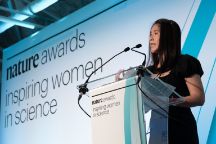
Swinburne Sarawak researcher, Ts Dr Lee Sue Han has won a 2025 Inspiring Women in Science Award for her AI-driven biodiversity research, which uses artificial intelligence to identify plant species, protect ecosystems and support sustainable agriculture.
Friday 06 March 2026 -

- Science
- University
- Sustainability
Swinburne appoints Gordon Chakaodza as new Co-Director of FACET
Gordon Chakaodza has been appointed as Co-Director of the Franco-Australian Indo-Pacific Centre for Energy Transition (FACET), he brings extensive leadership experience in hydrogen and energy transition and will guide FACET’s next phase of growth
Tuesday 17 March 2026 -

- Technology
- Science
- Sustainability
- Engineering
Swinburne to drive innovation in critical minerals research and industry
Swinburne will contribute its expertise to the Critical Metals for Critical Industries Cooperative Research Centre (CMCI CRC)
Thursday 12 March 2026


