


Certificate IV in Visual Arts
Overview
This one-year certificate IV program provides students with practical experience across a range of contemporary visual arts disciplines while developing professional creative, technical, and digital media skills. Working in a professional photographic studio, printmaking studio, and 3D media workshop, students refine their abilities in drawing, painting, sculpture, printmaking, photography, video, and sound production, creating innovative and original creative works.
Students are encouraged to develop their own artistic voice through research, experimentation, critical reflection, and creative problem-solving. They investigate art history and theory to inform their practice, apply colour theory and design principles, and undertake self-directed creative projects that reflect contemporary industry and artistic practices.
Apply ATAR-free and secure your future
The best move you’ll make in Year 12 is not leaving your future to chance. Apply for Swinburne’s Early Entry Program now and you could secure an offer before exams – no ATAR required.
Topics you'll cover
- Drawing
- Painting 1 & 2
- Printmaking 1 & 2
- Sculpture 1 & 2
- Digital Art/Photomedia
- Sound/Video Art
- Developing ideas/Artists life
- Studio to Gallery
- History and Theory
- Work Health & Safety Practices
Your career opportunities
- Community Arts Officer
- Gallery Co-ordinator
- Gallery Technician
- Artist Assistant
- Arts administration
- Professional Artist
Further education
- Developing ideas/Artists life
- Studio to Gallery
- History and Theory
- Work Health & Safety Practices
-
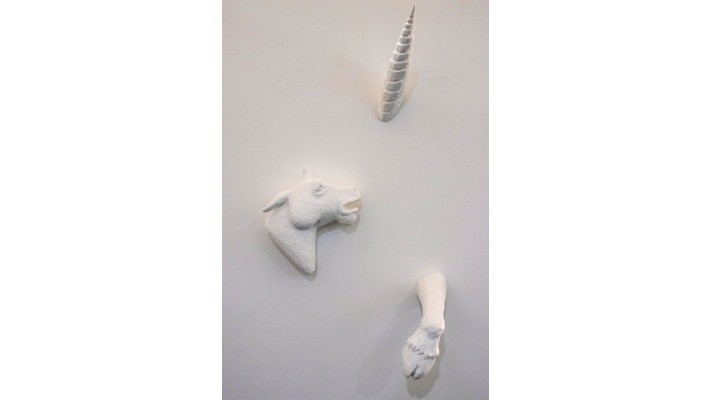 Student Work | Farris
 -
 Student Work | Chrisopher
 -
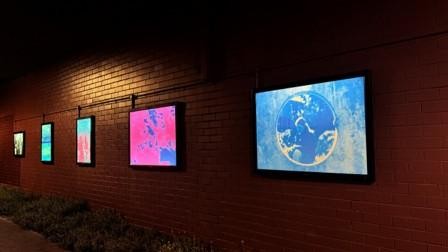 CHROMA, 2026 Knox Immerse Festival Installation
 -
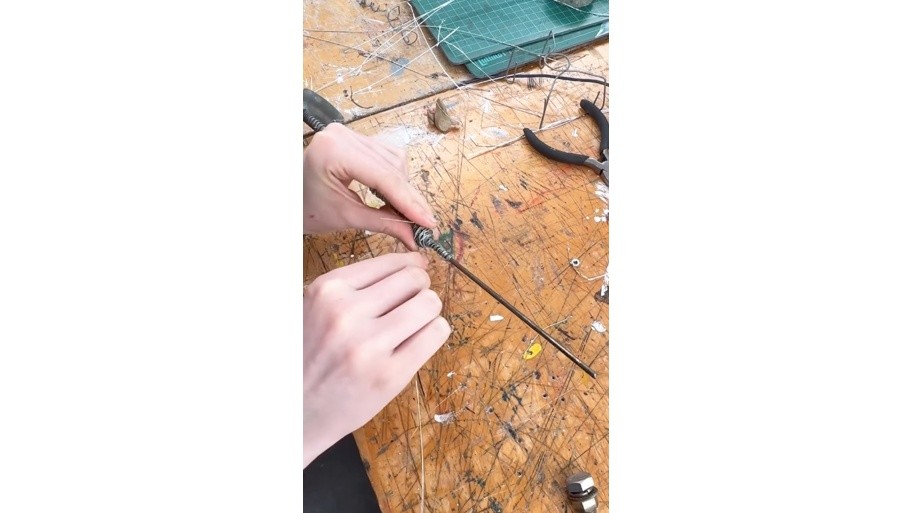 Student Work | Wire Sculpture
 -
 Student Work | Kumar
 -
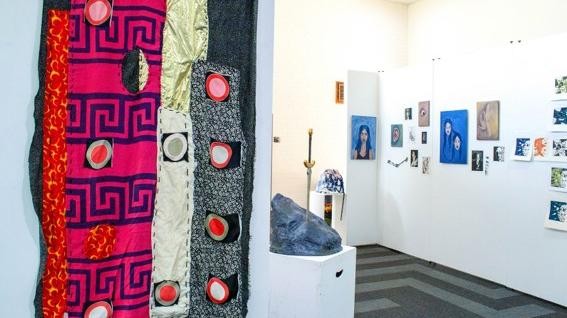 Student Work | Exhibition


Admissions
Entry into this program is based on an applicant’s study and/or relevant work history with a minimum Year 10 completion (or equivalent). Some additional criteria may also apply.
Applicants without formal qualifications but with relevant work experience are welcome to apply.
Admission requirements
Meeting the minimum entry requirements for the course does not guarantee an offer of a place. See admission requirements for general information about the admission process.
This will be assessed at the time of your application. To check your eligibility for this course, visit our entry requirements for international students page.
Course prerequisites
Language, literacy and numeracy
Applicants are required to complete a language, literacy and numeracy skills assessment as part of the application process. This will assist in determining course suitability and identifying whether additional support may be required.
The approved online skills assessment tool used to determine language, literacy and numeracy skills within the Australian Core Skills Framework (ACSF) is Basic Key Skills Builder (BKSB).
The levels required for this course are:
- Language and literacy: 3 (Working level 4)
- Numeracy: 3 (Working level 4).
Foundation Digital Literacy
Applicants should have Foundation Digital Literacy and be able to:
- use basic digital devices, applications and online services with guidance
- follow clear instructions to complete routine digital tasks
- access, view and save information using simple tools
- communicate using basic digital platforms (e.g. email, messaging)
- apply basic online safety practices, including password use and privacy awareness
- seek help or support when encountering common technical issues.
Other requirements
This course requires the use of software from Microsoft 365 and Adobe. Swinburne allows students to access this software through the Swinburne system at no cost.
Swinburne will provide
We utilise iPad Pro technology and industry-standard software, including the Adobe Creative Suite, alongside professional cameras and camera stabilisers. Students have access to a photographic studio with a professional lighting system, a printmaking room, and individual studio spaces to support their creative practice and project development.
Students will need to provide
- Willow charcoal medium size – box
- Compressed charcoal – medium soft
- Graphite sticks x 2 @ 2B 6B
- Traditional graphite pencil set 5 HB, B, 2B, 4B, 6B
- Permanent marker pens
- Fine liner
- Soft eraser and kneadable eraser
- Glue Stick, masking tape, and clear sticky tape, scissors,
- Quality retractable knife and blades
- Steel ruler 30cm
- Lino tool set 3 or 5 (avoid the cheap large packs)
- Bulldog clips 75mm
- Workable fixative spray
- Spiral cartridge pads A3 for painting, printmaking, drawing & sculpture
- Visual diary 11 x 14 or close to (but not smaller)
- USB storage device
- Notebook
- Resource folders/ document folder.
*Any other media you may already have e.g. watercolours, oil pastel, dry pastel, conte, charcoal pencil, coloured pencil, inks
Basic acrylics start kit
Example Primary: cadmium yellow, cad red, alizarin crimson, ultramarine blue, ivory black
Indicative cost $250-$300
English language requirements
Satisfactory completion of one of the following:
- IELTS overall band of 6.0 (Academic Module) with no individual band below 6.0
- Swinburne’s English for Academic Purposes (EAP 5 Advanced level) with overall 65%, all skills 65% or above
- or equivalent measures available at English language requirements.
Need to undertake an English assessment for entry?
A prerequisite for many courses, the Pearson Test of English (PTE Academic) can now be done at our Hawthorn campus.
Credit transfer
Credit transfer is a formal recognition process that allows students to receive credit for units of competency achieved through previous accredited study at another registered training organisation (RTO).
The number of credits granted will vary and is based on the:
- unit/s that have been successfully completed
- unit currency and status
- qualification requirements
- relevance to the qualification
- Swinburne policy
Recognition of prior learning
Recognition of Prior Learning (RPL) is the process of transferring the skills and knowledge that you have acquired over your lifetime (irrespective of how they were obtained) against the requirements of the unit.
RPL is an assessment process that requires you to provide evidence that demonstrates how you meet the requirements of the unit/s. The amount and types of evidence you will need to provide will depend on the unit requirements.
Finding your fit
At Swinburne, we recognise that not one size fits all. If this course doesn’t meet all your study criteria, check out these alternatives.
-
Certificate IV in Design
-

Certificate IV in Screen Media
-
/BA_Blue_Hallway_E6A4503.jpg/_jcr_content/renditions/cq5dam.thumbnail.319.319.png)
Diploma of Graphic Design
Course structure
Students must complete the six core and nine elective units listed.
The program is delivered mainly as practical studio-based subjects and in lecture and tutorial modes. Studio-based disciplines include painting, sculpture, printmaking, drawing, photography and digital imaging.
Your units
| Units of study | Unit code |
|---|---|
| Core units | |
|
Produce drawings to communicate ideas
Core unit |
CUAACD311 |
|
Realise a creative project
Core unit |
CUAPPR411 |
|
Develop self as artist
Core unit |
CUAPPR414 |
|
Develop and discuss ideas for own creative work
Core unit |
CUAPPR415 |
|
Research history and theory to inform own arts practice
Core unit |
CUARES403 |
|
Apply work health and safety practices
Core unit |
CUAWHS312 |
| Elective units | |
|
Integrate colour theory and design processes
Elective unit |
CUAACD411 |
|
Explore and apply the creative design process to 2D forms
Elective unit |
CUADES302 |
|
Explore and apply the creative design process to 3D forms
Elective unit |
CUADES303 |
|
Produce innovative digital images
Elective unit |
CUADIG415 |
|
Produce innovative video art
Elective unit |
CUADIG416 |
|
Experiment with techniques to produce paintings
Elective unit |
CUAPAI411 |
|
Experiment with printing techniques
Elective unit |
CUAPRI411 |
|
Experiment with techniques to produce sculpture
Elective unit |
CUASCU411 |
|
Record sound
Elective unit |
CUASOU415 |
Study requirements
Timetable
The Certificate IV of Visual Arts is a 1 year program delivered over two semesters.
- Classes are scheduled four days per week on campus with 1-2 units delivered online. Additional study hours may also be required to prepare and complete tasks.
Assessment
- Assessments occur throughout the course and include various methods such as quizzes, case studies, practical observations and exams.
- Students must demonstrate required skills and knowledge by satisfactorily completing assessments at different points in the course.
Tuition fees
We're in the process of finalising fees for 2027 enrolments. Please check back in October 2026 for the latest updates.
Fees are estimates only
Fees published on this page are estimates only and are subject to change depending on individual circumstances at the time of enrolment. The above fees apply for units studied in 2026 only and may change for units studied in future years. There may be additional costs related to learning material and equipment.
Fees are estimates only
The indicative course fees shown apply to international students for the relevant year, based on a standard study load per year. Fees are assessed according to actual study load each semester, with variations to study load resulting in tuition fee adjustments. These fees generally include the Student Services and Amenities Fee (SSAF) and are subject to annual review. Enrolled students will receive reasonable notice of any fee changes before payment is due.
Skills first government-subsidised place
This training is delivered with Victorian and Commonwealth Government funding. To qualify for a government-subsidised place, you must meet various eligibility criteria. The course you’ve applied for must also be offering government-subsidised places. Swinburne will determine your eligibility by conducting a full assessment of your eligibility during the course application process.
How do I pay my fees?
You can pay your Swinburne fees in person, via credit card, BPAY, or at Australia Post. Check to see if loans and employer sponsored training are also available.
International students need to pay tuition fees up-front by the relevant due date. You can find the due dates on your Statement of Account.
To pay your fees:
- log in to My Finances
- check your Australian bank account details are correct
- check your Statement of Account to see how much you owe
- pay using your preferred payment method.
Concessions rates for vocational students
If you’re enrolling in a Certificate IV-level program or below, are eligible for a government-subsidised training place and hold a valid concession card, you may be eligible for a concession of 80 per cent off the published fee of your unit(s) tuition – which means you’ll only be charged 20 per cent of the published fee.
Scholarships
Scholarship applications for 2026 are open. Scholarships at Swinburne are about providing opportunity, promoting equity and recognising excellence and achievement. We want you to reach your potential and achieve your life and career goals.
Our handy guide will assist you to gather documents for your application.
When you apply for a Swinburne course, we automatically consider you for an international scholarship of up to 30 per cent off your course fees – no separate application required! Just apply for your Swinburne course of choice and when we review your course application, we will also assess you for an international scholarship.
Apply through an agent
Most international students use an education agent to help them through the application process. Swinburne has agents all over the world that can help you with your application to study. Search for a Swinburne representative in your country. If your country is not listed, please contact us.
Apply directly
Ready to take on a new challenge and reach your academic goals? If you already know which course you want to study and understand the entry requirements, what are you waiting for? Apply online! Remember, you cannot apply direct if you have an active VTAC application.
Apply through VTAC
International students currently studying Year 12 in Australia must apply through VTAC. VTAC is the central office that administers the application processes for places in tertiary courses, scholarships and the Special Entry Access Scheme at universities, TAFEs and independent tertiary colleges in Victoria.
VTAC is the central office that administers the application processes for places in tertiary courses, scholarships and the Special Entry Access Scheme at universities, TAFEs and independent tertiary colleges in Victoria.
-
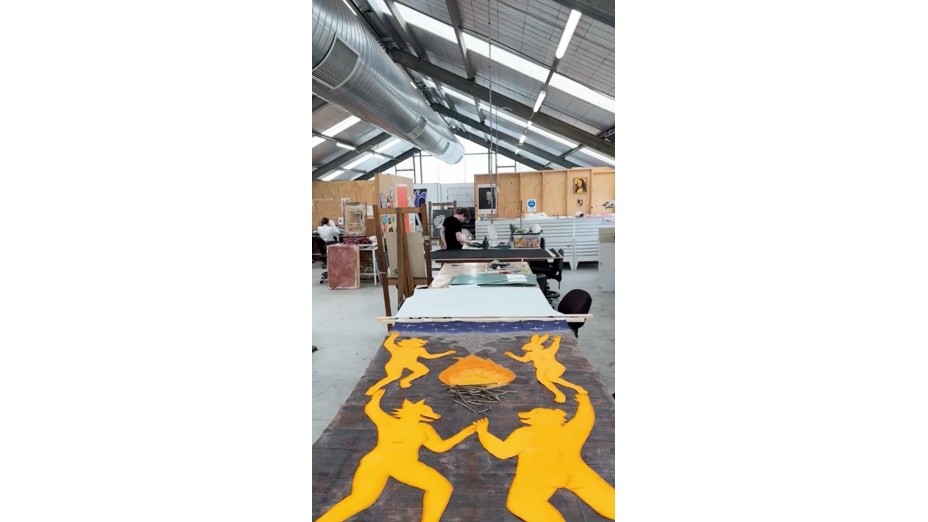 Student Work | Greenhouse studio
 -
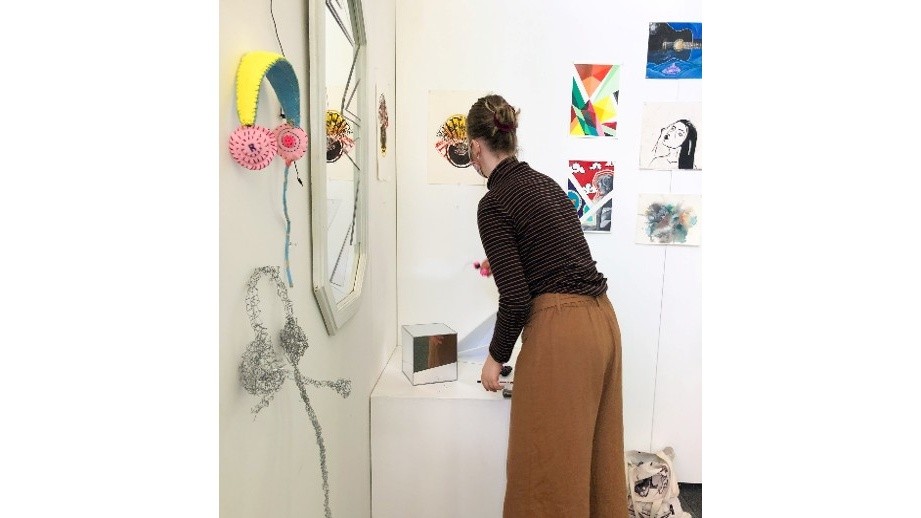 Student Work | Installation
 -
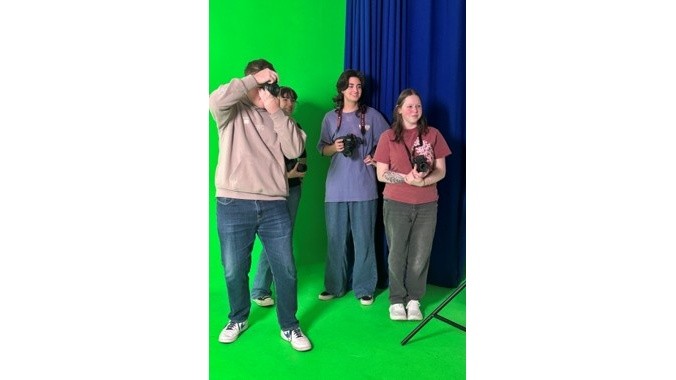 Student Work | Photoshoot
 -
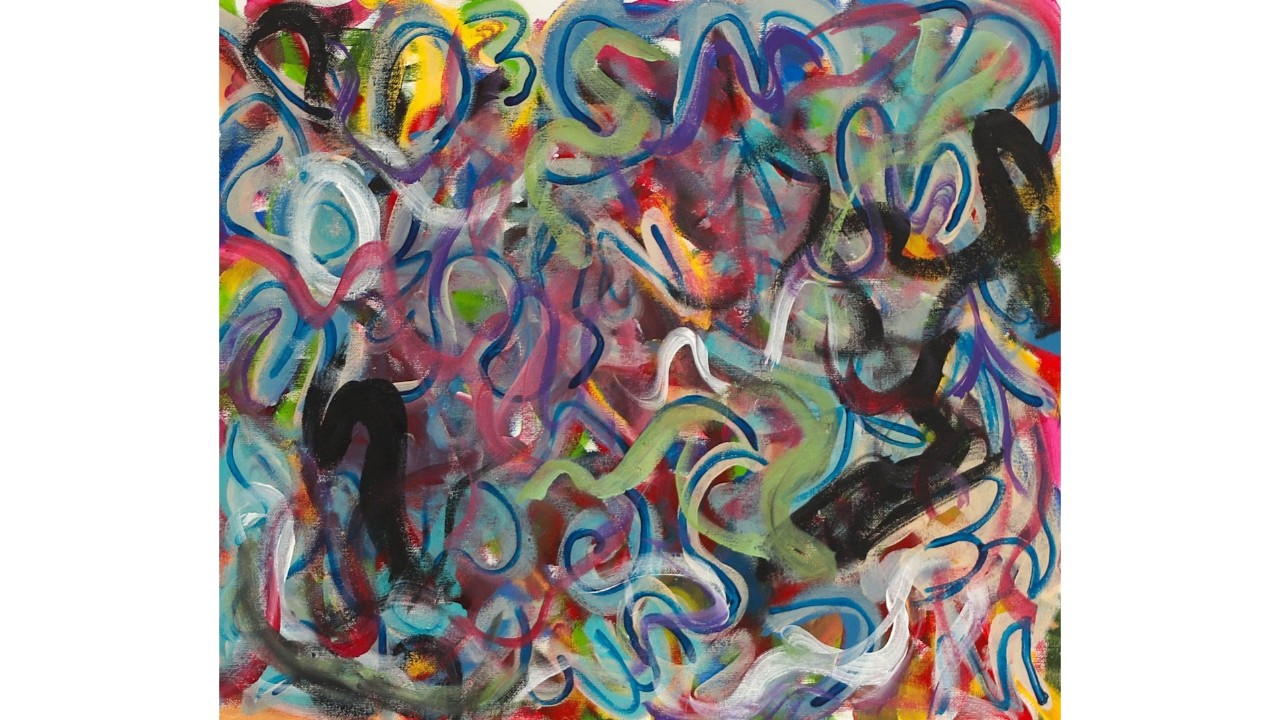 Student Work | Rose


