

New program to set national standards for radiotherapy treatment means better health outcomes of one million Australians

Swinburne's Associate Professor Jeremy Brown is part of the team who will design, develop and commission these primary dosimetry standards.
In summary
- Swinburne, CSIRO, and the Australian Radiation Protection and Nuclear Safety Agency have partnered on a new program to develop the next generation of national standards for radiotherapy.
- These new standards will help to reduce the occurrence of radiotherapy accidents.
- Swinburne's Associate Professor Jeremy Brown is helping to design, develop and commission these primary dosimetry standards.
Swinburne University of Technology, CSIRO, and the Australian Radiation Protection and Nuclear Safety Agency (ARPANSA) have partnered on a new program to develop the next generation of national standards for radiotherapy treatment in Australia.
These new standards will help to reduce the occurrence of radiotherapy accidents for approximately one million Australians over the next 30 years. By minimising both under-dosing and over-dosing radiotherapy treatments, these measures will play a crucial role in safeguarding patient health and improving health outcomes. This set of primary standards will be used to assess the performance of new radiotherapy techniques and cross-check each hospital's unit devices to directly impact clinical practice at the national level.
Swinburne project lead, Associate Professor Jeremy Brown, is part of the team who will design, develop and commission these primary dosimetry standards in line with federal regulatory guidelines.
“Our cross-disciplinary approach will leverage both experimental and computational methods to deliver a set of standards that ensure the quality of healthcare delivered cancer treatment in Australia,” he says.
“I’m thrilled to be part of this world leading team. Our work is not only a huge milestone in Australia’s research and healthcare, but it will have a real impact on a million Australians and their families who are already battling extremely strenuous circumstances. This is the type of program that illustrates the true strengths of Swinburne: academia and industry working together towards delivering real world technology to everyday Australians.”
This research has been funded by the CSIRO Industry PhD Program (iPhD) which is a collaboration between CSIRO, Swinburne University and ARPANSA. The CSIRO iPhD Program is part of the Federal Government’s University Research Commercialisation Action Plan.
ARPANSA’s Dr Duncan Butler says the standards will improve the accuracy of radiation measurements in Australia and support new types of radiotherapy, such as protons and high dose-rate techniques.
“This work makes an important contribution to ARPANSA’s efforts to support patient safety.”
This project will see Swinburne, CSIRO and ARPANSA collaborating to bring together their strengths in physics, medicine and technology. The team aims to use this research project's success to establish an Australian leading program and seek government-industry sponsored funding to develop additional advanced dosimetry tools to support the deployment of new radiotherapy modalities within Australia.
“External beam radiotherapy is one of the most popular approaches in the treatment of cancer in Australia. It is crucial that our team and governing bodies continue to work towards the most optimal radiotherapy treatment possible”, says Associate Professor Brown.
-
Media Enquiries
Related articles
-
.jpg/_jcr_content/renditions/cq5dam.web.256.144.jpeg)
- Design
- Science
- University
- Aviation
- Engineering
Swinburne continues its strong performance in QS World University Rankings by Subject 2026
Swinburne continues its strong performance in the QS World University Rankings by Subject 2026, with 17 subjects placing in the rankings
Thursday 26 March 2026 -
- Technology
- Science
- Sustainability
- Engineering
Swinburne’s international collaborations driving meaningful impact
Swinburne is collaborating with international researchers to tackle global challenges in clean energy, sustainable materials and energy-efficient buildings.
Monday 16 March 2026 -
- Technology
- Science
- Sustainability
AI innovation protecting biodiversity wins global award for Swinburne researcher
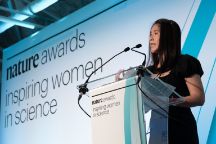
Swinburne Sarawak researcher, Ts Dr Lee Sue Han has won a 2025 Inspiring Women in Science Award for her AI-driven biodiversity research, which uses artificial intelligence to identify plant species, protect ecosystems and support sustainable agriculture.
Friday 06 March 2026 -

- Science
- University
- Sustainability
Swinburne appoints Gordon Chakaodza as new Co-Director of FACET
Gordon Chakaodza has been appointed as Co-Director of the Franco-Australian Indo-Pacific Centre for Energy Transition (FACET), he brings extensive leadership experience in hydrogen and energy transition and will guide FACET’s next phase of growth
Tuesday 17 March 2026 -
- Technology
- Science
- Sustainability
- Engineering
Swinburne to drive innovation in critical minerals research and industry
Swinburne will contribute its expertise to the Critical Metals for Critical Industries Cooperative Research Centre (CMCI CRC)
Thursday 12 March 2026
.jpg/jcr:content/renditions/cq5dam.web.1024.576.jpeg)


