

Startup combats single-use plastic crisis with sustainable straws

Little Green Panda’s innovative plant-based straws have been supplied to over 800 businesses locally and worldwide
In summary
- Startup Little Green Panda has created 100 per cent plant-based, compostable and biodegradable drinking straws
- Little Green Panda is led by Swinburne alumna Manon Beauchamp-Tardieu, and is part of the 2020 Swinburne Accelerator program
- When COVID-19 hit they reduced prices to make sustainability more affordable for businesses
Startup company, Little Green Panda led by Swinburne alumna, Manon Beauchamp-Tardieu has created a range of 100 per cent plant-based drinking straws in response to the rise of the single-use plastic crisis.
The sustainable straws are made from the waste products of agricultural processes, such as wheat and sugarcane production and bamboo.
Little Green Panda is one of five start-up teams taking part in Swinburne Innovation Precinct’s 2020 Accelerator Program, which helps start-ups gain more traction in their industries.
A sustainable alternative to drinking straws
Knowing the devastating effects single-use plastic has on the planet, Ms Beauchamp-Tardieu decided to look for new ways to challenge the status quo.
“That’s when I discovered a viable, sustainable solution that was used way before synthetic materials were even a thing. I went back, dug deep (literally, into the ground) and brought back to the surface a range of 100 per cent plant-based straws. Just one of Mother Nature’s many, many gifts,” she says.

The plant-based drinking straws are home-compostable and break down in just 60 days, compared to plastic which takes approximately 1000 years to decompose
All products are ethically sourced and support small-scale farmers in Vietnam and Mongolia by providing them with a second source of income from their waste material.
Little Green Panda uses waste products from agricultural processes as materials for sustainable drinking straws
Supporting businesses through COVID-19
Little Green Panda was born out of the need to solve the single use epidemic and gained further traction when the ban on single-use plastics came into effect. However, when COVID-19 hit, the use of single-use plastics started to increase again.
“When COVID-19 hit, we reduced our prices to make our straws more accessible to businesses going through tough times,” says Ms Beauchamp-Tardieu. “COVID-19 has severely impacted the hospitality industry...it’s great to see our customers getting back on their feet and continuing to use sustainable alternative to single-use plastic straws,” she adds.
To date, Little Green Panda has supplied straws to more than 800 business and individuals, replacing 3.3 million straws in more than 10 countries.
Helping startups
Swinburne Innovation Precinct’s Accelerator Program supports startups to gain early traction in their markets by helping them hone customer acquisition strategies, understand financial metrics and providing coaching and mentoring services.
“Being a part of the Swinburne Accelerator Program has changed the way we look at our business. We now have strong structures in place and a clear vision that will ensure continuous success as we continue to grow,” says Ms Beauchamp-Tardieu.
She adds, “we have gained invaluable knowledge and a great network of both industry experts and like-minded start-ups that are experiencing many of the same challenges. All of the Swinburne accelerator teams and mentors have been incredibly helpful and have given us a lot of valuable advice and direction.”
Straws are just the beginning
Ms Beauchamp-Tardieu has big plans for Little Green Panda.
“We started off with drinking straws, but that is only the beginning. We’re currently doing some research and development in the bioplastics area with CSIRO and are looking at developing more innovative products to replace single-use packaging.”
-
Media Enquiries
Related articles
-
- Technology
- Science
- Sustainability
- Engineering
Swinburne’s international collaborations driving meaningful impact
Swinburne is collaborating with international researchers to tackle global challenges in clean energy, sustainable materials and energy-efficient buildings.
Monday 16 March 2026 -
- Technology
- Science
- Sustainability
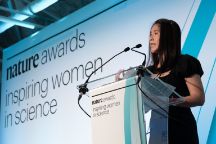
AI innovation protecting biodiversity wins global award for Swinburne researcher
Swinburne Sarawak researcher, Ts Dr Lee Sue Han has won a 2025 Inspiring Women in Science Award for her AI-driven biodiversity research, which uses artificial intelligence to identify plant species, protect ecosystems and support sustainable agriculture.
Friday 06 March 2026 -

- Science
- University
- Sustainability
Swinburne appoints Gordon Chakaodza as new Co-Director of FACET
Gordon Chakaodza has been appointed as Co-Director of the Franco-Australian Indo-Pacific Centre for Energy Transition (FACET), he brings extensive leadership experience in hydrogen and energy transition and will guide FACET’s next phase of growth
Tuesday 17 March 2026 -

- Technology
- Science
- Sustainability
- Engineering
Swinburne to drive innovation in critical minerals research and industry
Swinburne will contribute its expertise to the Critical Metals for Critical Industries Cooperative Research Centre (CMCI CRC)
Thursday 12 March 2026 -
- Technology
- Science
- University
- Aviation
- Sustainability
- Engineering
Swinburne secures AEA funding in aerospace, critical metals, sustainable steel production and protective helmet design
Swinburne University of Technology researchers have secured over $1.6 million in funding from Australia’s Economic Accelerator (AEA) Ignite grants.
Thursday 22 January 2026


