


With a biomedical degree, you’ll learn to analyse and interpret complex data, then use it to make a positive difference to people’s lives.
Explore biology, medicine, disease, chemistry and physiology (all touchpoints of biomedical science degrees) and apply your fundamental understanding of human anatomy, microbiology, biochemistry and physiology to real-world situations.
Browse our courses to find detailed course information, application dates, entry requirements, fees, subjects, ATAR calculator and more.
Browse our Biomedical Science courses
-

How to become a medical laboratory scientist
Learn how to become a medical laboratory scientist with Swinburne. Discover study pathways, build labratory skills, connect with industry and get job-ready. -
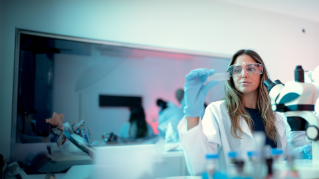
Bachelor of Biomedical Science Frequently Asked Questions
Explore Frequently Asked Questions for the Bachelor of Biomedical Science. Learn about the study options, experiences and career pathways that await you.
Are you in high school?
Back by popular demand: A Day in the Life of a Swinburne Student. Get a taste of uni with hands-on workshops, tours and more across different study areas, exclusive for Year 9–12 students.

Study Biomedical Science at Swinburne
Hear from Tara and Don who have taken a year out from studying biomedical science to complete paid professional placements as cardiac technologists at Monash Heart. From conducting exercise tests to putting heart monitors on newborn twins, they’re both learning skills they can use in the workforce after graduation.
-
- Technology
- Health
New MedTechVic prototypes to transform everyday lives of people with a disability
Swinburne’s MedTechVic has revealed three new prototypes designed through the joint Health-led Manufacturing Innovation Program, in partnership with the Australian Medtech Manufacturing Centre and Safer Care Victoria
Friday 19 July 2024
