


Guaranteed real industry experience
At Swinburne, we’re known for our industry connections and commitment to preparing students for careers they love. Work Integrated Learning (WIL) is a powerful, hands-on introduction to your chosen industry.
You’ll tackle real-world challenges, grow your professional networks and sharpen your skills in competitive industry settings, all while reaching your academic goals.
Explore your future while you study, with a placement, internship or industry project guaranteed as part of all our bachelor degrees.
It’s immersive, exploratory, innovative and practical, and it starts on day one.
Work integrated learning students get results
More than 1/3 get job offers after placements
After levelling up their skills in placements, more than a third of our students are offered ongoing roles
1 in 5 get ongoing work after internships
Our internship students add so much value that 20% of them are offered ongoing work
Explore your work integrated learning options
Select your study level to find out more about our programs.
Undergraduate work integrated learning options
-

Professional degrees
Graduate with industry experience through a Swinburne Professional Degree. Alongside career-focused theory, gain real-world skills with a 12-month full-time paid work placement.
-

Professional placements
Give your bachelor degree an industry upgrade with a paid, full-time placement. Over 6 or 12 months, you’ll gain the next gen experience, insight and knowledge employers want.


-

Internships in bachelor degrees
Upgrade your bachelor’s degree with real industry experience through a part-time or intensive Swinburne internship.
-
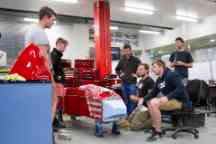
Industry projects
Make a real-world impact by responding to industry briefs, solving challenges, and using the tools of your field, all built into your courses.
-
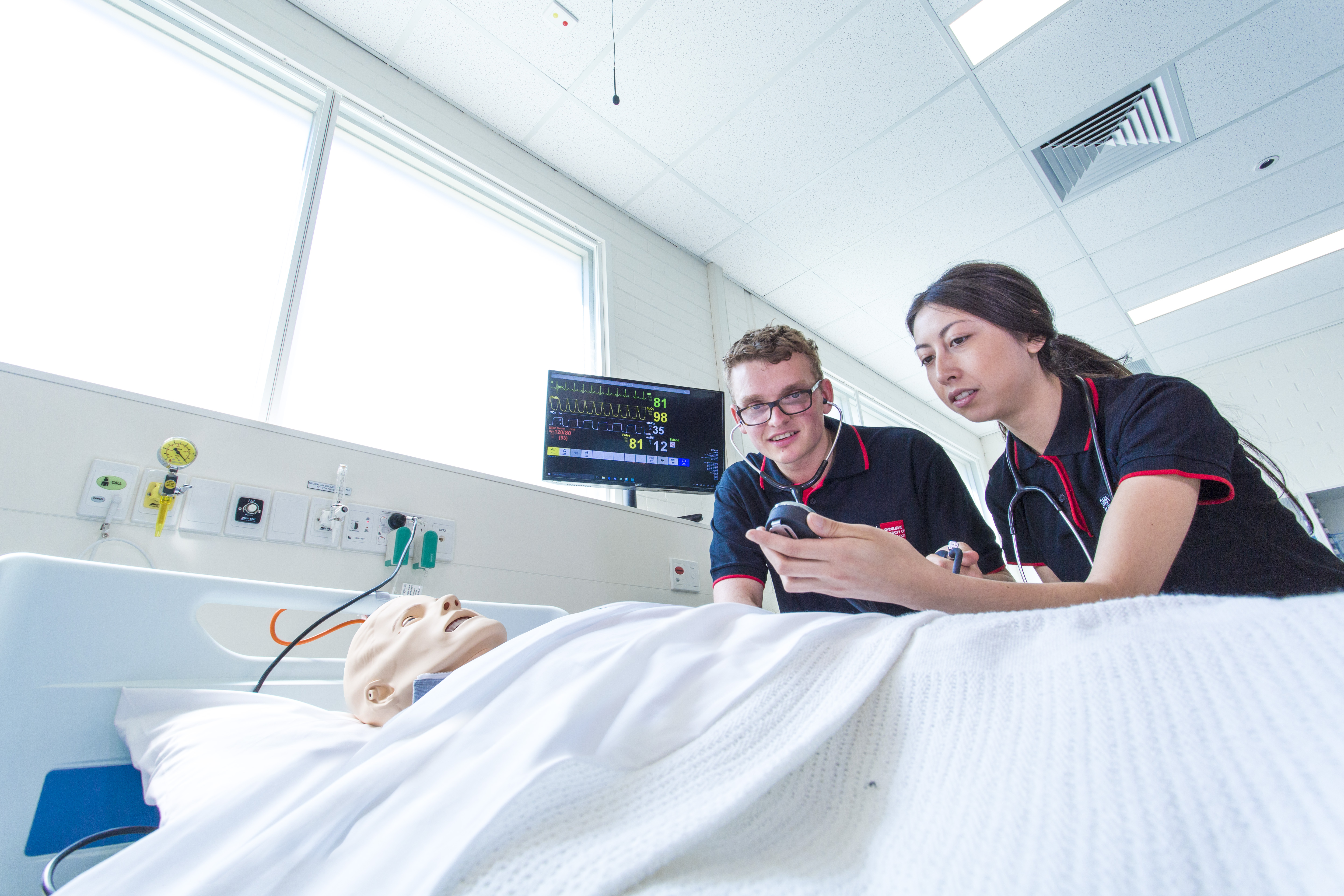
Accreditation placements
Get the hands-on, real-world experience needed to complete some bachelor and postgraduate degrees to meet industry accreditation standards.
-

Overseas study tours
Take your degree to the world. Expand your perspective and gain study credits when you set off on an overseas study tour.- 2–4 week group trips during summer or winter breaks.
- Led by acacemic staff.
- Earn credit while combining travel and focused study.
-

Overseas internships
Make your résumé globally relevant gaining hands-on skills with a full-time internship.
- Short-term roles with international companies.
- 6–12 week program completed during summer or winter break.
- Gain practical industry experience and academic credit.
-

Virtual overseas programs
Our virtual overseas programs are an accessible and sustainable way to get competitive global working experience from the comfort of your home.


Postgraduate work integrated learning options
-
Accreditation placements
Get the hands-on, real-world experience needed to complete some bachelor and postgraduate degrees to meet industry accreditation standards.
-
Industry projects
Make a real-world impact by responding to industry briefs, solving challenges, and using the tools of your field, all built into your courses.
-

Internships in master degrees
Expand your professional skills and knowledge by completing a part-time or intensive internship during your master’s degree.


Vocational education work integrated learning options
-

Work placements
Gain practical skills and hands-on experience with work placements as part of your diploma or certificate course.

Student stories
-

Lily's placement story at NAB
"The professional placement component of this degree was the reason I picked Swinburne in the first place. As a mature age student, I did have the luxury of being able to pick my degree because I wasn't reliant on my ATAR, so the opportunity to get out of the classroom really appealed to me."
Important resources
-
Careers and employability
Improve your employability with expert advice and job application assistance, with a range of seminars, workshops, conferences and employer sessions to give you the edge.
-
AccessAbility services
At Swinburne, we offer an inclusive and welcoming environment for people living with a disability, medical condition, mental illness or with primary carer responsibilities.
-
Enrolment support
Find out how Work Integrated Learning can fit into your degree.
Are you an employer looking to recruit a Swinburne student?
Get access to the next generation of talent before hit the grad market. Our students bring fresh perspectives to workplaces along with leading industry knowledge that can help your team reach its goals. And while they learn, you’ll have the opportunity to mentor ambitious future professionals.
Questions? We’re here to help!
Let’s connect you with the right information to integrate real-world experience into your studies.