

Landmark Swinburne study exposes ongoing discrimination and homophobia

53 per cent of LGBTIQA+ young people surveyed witnessed discrimination in sport and movement settings.
In summary
- Swinburne researchers Dr Ryan Storr and Dr Carleigh Yeomans have led a landmark study on discrimination and homophobia in sport
- The study revealed more than half of LGBTIQA+ young people in Australia have witnessed homophobia and discrimination in community-based sport
- The report points to the need for sustained and targeted efforts to make sporting environments safe and inclusive for all players
More than half of LGBTIQA+ young people in Australia have witnessed discrimination in community-based sport, according to a new Swinburne University of Technology study.
Led by Swinburne Research Fellows Dr Ryan Storr and Dr Carleigh Yeomans, the study of over 1,000 LGBTIQA+ people across Australia – the largest of its kind in a decade – reveals that LGBTIQA+ young people’s (16-25) participation rates are significantly lower (around 30%) compared to non-LGBTIQA+ peers (60%).
40 per cent of this group reported personal experiences of discrimination, primarily through verbal vilification.
While there have been improvements over the past decade, progress has been slow and stubborn, particularly for young gay men, 76 per cent of whom reported witnessing homophobia, with 63 per cent experiencing it firsthand.
Overall, 53 per cent of LGBTIQA+ young people surveyed witnessed discrimination in sport and movement settings.
“The young people we spoke to for this study highlighted their desire to be able to play sport and ‘just exist’ or be themselves, without having their identities questioned, debated and interrogated,” Dr Storr said.
“This research clearly indicates that discrimination stops LGBTIQA+ young people from playing sport, and when they do play, they often have to endure ongoing discrimination.”
The research, which was supported by an Impact Research Grant from health promotion foundation VicHealth, highlights the urgent need for tailored programs and initiatives to address homophobia and foster safe and inclusive sporting environments – especially in youth environments.
“While the data reveals promising trends across the broader LGBTIQA+ community, the reality is that LGBTIQA+ people have a fifty-fifty chance of witnessing homophobia when they play sports.”
“Rates of experiencing and witnessing homophobia in sport for gay men have barely shifted in recent years. We still have a long way to go to make men’s sport environments safe and welcoming,” Dr Storr said.
“The benefits are clear when LGBTIQA+ people feel safe and included in sport, it improves mental health outcomes and increases social capital and feelings of belonging and connection. We can, and must, do better.”
Targeted efforts needed to tackle homophobia
Dr Storr found that LGBTIQA+ youth still encounter multifaceted challenges in navigating their identities within sport and movement spaces, including concerns about whether to disclose their identities to teammates and coaches, assessing the safety of club environments, and managing their mental health amid pervasive discrimination.
“Sustained and targeted efforts are needed to make sporting environments safe and inclusive for all players, with anti-homophobia campaigns and initiatives urgently needed. The major sporting codes must commit to taking immediate action in tackling LGBTIQA+ discrimination, especially across men’s team sport environments,” Dr Storr said.
For organisations wanting to take action, Dr Storr suggests participating in Proud2Play and VicSport’s ‘Rainbow Roadmap’ program, which supports clubs and organisations in becoming rainbow ready.
-
Media Enquiries
Related articles
-

- Social Affairs
- University
Honouring Country, culture and connection at Swinburne’s inaugural NAIDOC celebration
Swinburne's inaugural NAIDOC celebration celebrated the power of storytelling and provided a space for everyone to engage with Indigenous culture
Thursday 03 September 2026 -

- Social Affairs
Growing role of AI in youth services could put young people at risk
New research by Swinburne University of Technology and Youth Affairs Council Victoria has for the first time identified key risks to young people and how to address them.
Wednesday 19 August 2026 -

- Student News
- Social Affairs
Indigenous study tour connects students to global communities in Aotearoa
The Moondani Toombadool Centre’s Indigenous study tours provide Indigenous students a culturally grounded, immersive and transformational experience through direct engagement with other Indigenous communities worldwide
Friday 10 July 2026 -
- Student News
- Social Affairs
- University
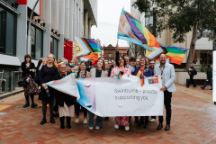
Celebrate Pride at Swinburne
Swinburne Pride Week 2026 will be celebrated from 24 August to 28 August.
Thursday 30 July 2026 -
- Social Affairs
- University
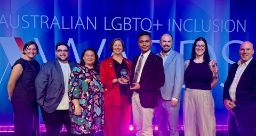
Swinburne achieves gold tier recognition for LGBTQIA+ inclusion
Swinburne has reached a major milestone in its diversity, equity and inclusion journey, receiving gold tier recognition from the Australian Workplace Equality Index (AWEI).
Monday 01 June 2026


