


Considering a skills-based course in 2024?
Turn your passion into a career now with a TAFE course from Swinburne Vocational Education and Training (VET).
Why Swinburne?
Real-world industry connections and experiences
Proudly creative. Constantly innovative.
Connecting people and technology for a better world
Industry-class facilities enhancing research and learning
Search for courses, news, events and people
Explore top resources
People also searched for
-

Guaranteed Work Integrated Learning
A Swinburne bachelor degree guarantees you real industry experience fit for a career-starting résumé.
-

Australia’s first Adobe Creative Campus
Free access to Adobe’s Creative Cloud products while you study at Swinburne will upgrade what’s second nature to you, into first. So, digitally literate you can become highly hireable you.


-

Study online with Swinburne
Swinburne is a world leader in online education by using interactive and innovative technologies to deliver our courses and degrees. From vocational education and undergraduate to postgraduate study, Swinburne has online study options at all levels.

-

Industry + Swinburne
Our collaborations and partnerships upgrade lives by providing creative and innovative solutions to the world’s prickliest problems. Partner with us, like Amazon Web Services did, and we established the Social Good Cloud Innovation Centre. Or like when Siemens did, and we co-developed the world’s first Industry 4.0 focussed associate degree. Or, when with Adobe, we became Australia’s first Creative Campus.

-

Research with impact, now
At Swinburne, our researchers are dedicated to driving economic and social impact. We search for solutions at the intersection of technology and humanity, pushing the boundaries of what’s possible in the future and now. It all happens thanks to the multidisciplinary approach of our research institutes, Digital Research Innovation Capability Platform, industry partnerships, strategic initiatives and our world-class specialist facilities.

News
-

- University
Renowned former Australian defence leaders make up Swinburne’s Defence Advisory Board
A team of experienced defence experts will offer strategic advice and guidance to Swinburne on matters relating to the defence industry...
Thursday 28 March 2024 -

- Trades
Transforming passions into careers: the power of TAFE in Australia's skills revolution
What's it really like to get a trade? This question is on the minds of many young people embarking on career decisions.
Thursday 28 March 2024 -
- Health
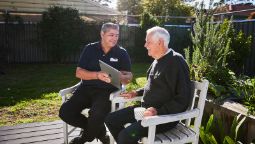
Half of Australians living in aged care have depression – psychological therapy could help according to new research
An evaluation of more than 40 years of research has found that psychological therapy offers a promising alternative to the overreliance on anti-depressants in aged care.
Wednesday 20 March 2024 -
- Technology
CSIRO and Swinburne level up Australia’s manufacturing sector with Industry 4.0 Testlab
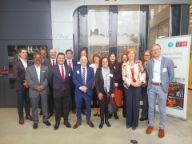
The Testlab has showcased its world-first fully automated industrial-scale production facility using a 3D-printing approach to composite component creation.
Read more (CSIRO and Swinburne level up Australia’s manufacturing sector with Industry 4.0 Testlab )Wednesday 13 March 2024 -

- University
‘Get a trade or go to uni’ is a false binary choice
Pro Vice-Chancellor and Chief Executive Officer, Vocational Education and Training Madelyn Bolch on why choosing between uni and a trade should be a thing of the past.
Monday 04 March 2024


Browse our news categories or discover the latest news.
Acknowledgement of Country
We respectfully acknowledge the Wurundjeri People of the Kulin Nation, who are the Traditional Owners of the land on which Swinburne’s Australian campuses are located in Melbourne’s east and outer-east, and pay our respect to their Elders past, present and emerging.
We are honoured to recognise our connection to Wurundjeri Country, history, culture and spirituality through these locations, and strive to ensure that we operate in a manner that respects and honours the Elders and Ancestors of these lands.
We also acknowledge and respect the Traditional Owners of lands across Australia, their Elders, Ancestors, cultures and heritage.
